
Wingo Prediction: The Honest, Complete Guide
Wingo prediction is the practice of trying to guess the next result in the Wingo color prediction game that powers Yono VIP-style platforms. Search for it and you will find endless apps, Telegram channels and "hack" APKs promising accurate predictions. This guide takes the opposite approach: it explains how Wingo prediction really works, what charts and trends can and cannot tell you, why no formula is guaranteed, and how to use a prediction routine as a discipline tool rather than a magic trick. If you want the truth about Wingo prediction before you risk any money, this is the page for you.
What Is Wingo Prediction?
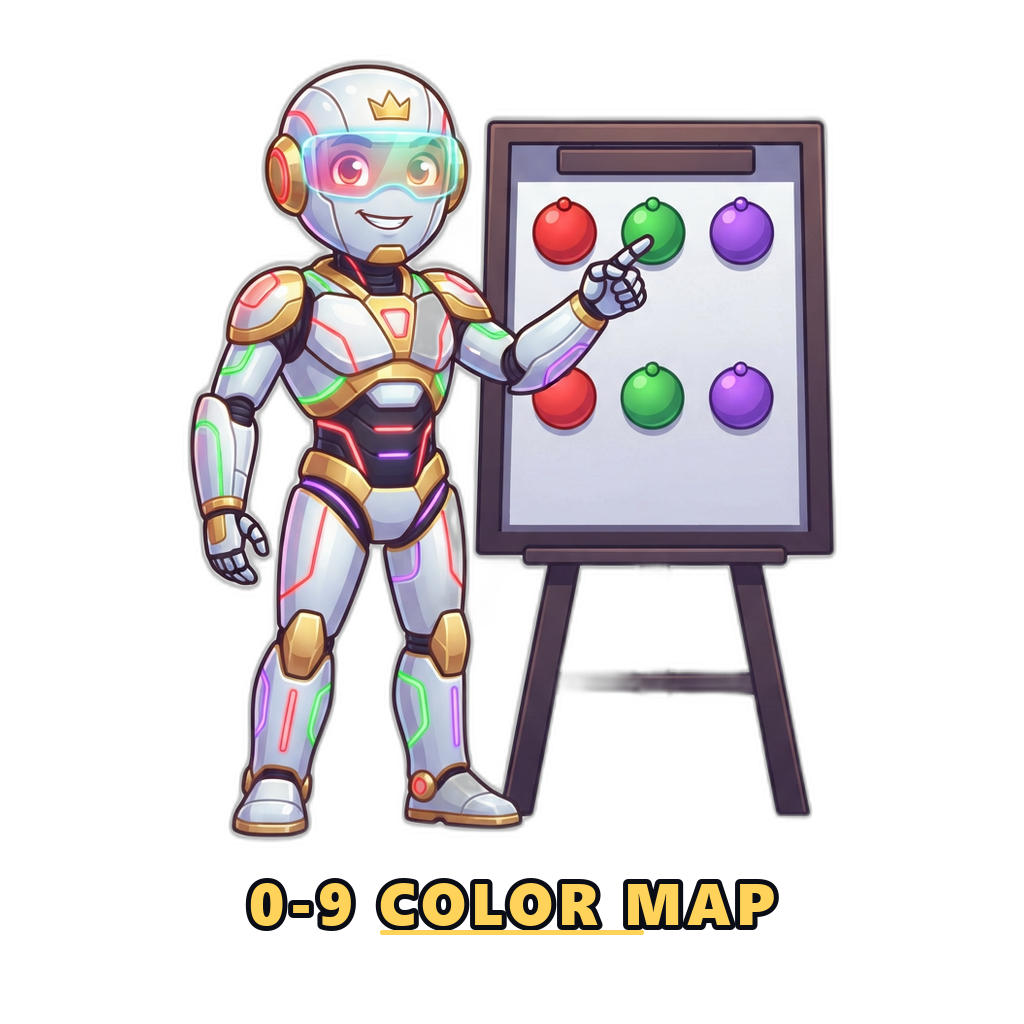
In the Wingo game, each round draws a number from 0 to 9, mapped to green, red or violet. Wingo prediction is any attempt to guess that outcome in advance — by reading the result history, following a "pattern", using an app, or paying a channel for tips. Players predict on colors, exact numbers, or big/small. The idea is seductive: if you could predict even slightly better than chance, you could beat the game.
The reality, which we repeat throughout this Yono VIP site, is that a prediction can organise your decisions and your budget, but it can never guarantee a result. The value of a prediction routine is discipline, not foresight.
How Players Read Wingo Charts and Trends
Every platform shows a history chart of recent results. Prediction fans look for streaks (the same color repeating), alternations (red-green-red-green), and "missing" numbers that have not appeared for a while. These patterns feel meaningful because human brains are built to find them — but the chart records the past, not the future.
Reading charts is not useless, though. It helps you pace your play, notice when you are getting emotional, and keep a record of your session. Just do not mistake a pattern in old results for information about the next round.
Why Every Wingo Round Is Random
Each Wingo round is an independent draw. The result of the last round has no effect on the next one — the odds reset every time. This is the "gambler's fallacy": the false belief that a color is "due" after a streak. The table below shows the true odds against the payouts, which is where the house edge hides:
| Bet | True chance | Payout | Edge to house |
|---|---|---|---|
| Exact number | 1 in 10 (10%) | 9× | Yes — pays 9, not 10 |
| Color (red/green) | ~45% incl. 0/5 rules | 2× (1.5× on 0/5) | Yes |
| Violet | 2 in 10 (20%) | 4.5× | Yes |
| Big / Small | ~50% | 2× | Yes — via 0/5 and fees |
No prediction changes these numbers. That is not an opinion; it is how independent random draws and fixed payouts work.
Popular Prediction Methods and Their Flaws
Here are the methods people sell or swear by, and the honest problem with each:
| Method | The claim | The flaw |
|---|---|---|
| Streak following | Ride the hot color | Streaks only look real in hindsight |
| Trend reversal | Bet against a streak | Each round resets — nothing is "due" |
| Prediction apps | AI knows the result | Cannot predict random draws; often ads/malware |
| Paid Telegram tips | Insider signals | Sellers profit from fees, not accuracy |
| Hack APKs | Break the game | Fake or malware — a route to theft, not wins |
Notice the pattern: every "system" either relies on the gambler's fallacy or exists to sell you something. Our color prediction guide covers the color-specific versions of these tricks.
The Doubling (Martingale) Trap
The most common "strategy" is doubling your stake after every loss to recover it on the next win. It feels foolproof and it is anything but. A short losing streak — which is completely normal — sends your stake through the roof and hits the table limit or your balance before the win arrives. One bad streak can wipe out many small wins.
Flat staking (the same small amount every round) is far safer. It cannot recover losses magically, but it also cannot blow up your budget in five rounds.
An Honest Wingo Prediction Routine
If you enjoy the ritual of prediction, use one that protects you instead of one that promises wins. A healthy routine looks like this:
- Set a session budget you can afford to lose, before you open the game.
- Choose flat stakes of 1–2% of that budget.
- Pick a slower round version so you can think between bets.
- Use the chart to pace yourself, not to guarantee outcomes.
- Set a stop-loss and a stop-win, and honour both without exception.
This routine cannot beat the house edge, but it keeps the game entertaining and your losses capped — which is the only realistic definition of "winning" at a game of chance. Practise it risk-free on the free demo.
Understanding Period Numbers
Every Wingo round is stamped with a period number — a long code such as 202607251000123 — that increases by one each round. Prediction sellers love period numbers because they look technical and mysterious, and some claim the digits "reveal" the coming result. They do not. A period number is simply a timestamp-and-counter that keeps the history in order and lets you reference a specific round; it carries no information about the draw.
Knowing this defuses a whole category of scams. If someone shows you a "formula" that turns the period number into a predicted color, you are looking at numerology, not maths. The period number is useful only for one honest thing: keeping an accurate record of your own play so you can review it later.
Bankroll Management Math
If prediction cannot help, money management is the only lever that actually changes your experience — not by beating the edge, but by controlling how long and how safely you play. The core idea is to size each stake as a small fraction of a fixed session bankroll:
| Stake per round | % of bankroll | Rounds before ruin (rough) |
|---|---|---|
| ₹5 | 1% | Very many — long, calm session |
| ₹10 | 2% | Many — sensible for most players |
| ₹50 | 10% | Few — a bad streak ends it fast |
| ₹100 | 20% | Very few — high risk of quick loss |
Small, flat stakes cannot make you a winner — the house edge still applies to every rupee — but they turn a volatile gamble into a slow, controllable form of entertainment. Doubling after losses does the opposite, which is why the doubling trap above is so dangerous. If you want the game to last, manage the bankroll and forget the prediction.
A Worked Example: Why the Edge Always Wins
Numbers make this clearer than any argument. Imagine you bet ₹100 on green every round for 100 rounds, and the results land roughly as probability predicts. Green fully wins on 1, 3, 7 and 9 (four numbers) and half-wins on 5, while 0, 2, 4, 6, 8 lose. Over 100 rounds you win around 40 full payouts of ₹196 and about 10 reduced payouts on 5, while the other ~50 rounds lose your ₹100 stake.
Add it up and you have staked ₹10,000 but returned a bit less — the small gap is the house edge, quietly working every single round. It is not dramatic in any one round, which is exactly why it is dangerous: it feels winnable while the math grinds slowly against you. No prediction shifts those payouts, so no prediction closes that gap. This is the honest core of every page on this Yono VIP site.
Mobile Tips for Prediction Players
Most prediction fans play on a phone, so keep these habits in mind:
- Do not install "prediction" apps. They cannot predict anything and often carry ads or malware.
- Keep a stable connection. A dropout during a fast round can lock in a bet you did not intend.
- Log your sessions. A simple notes app tracking wins and losses beats any "chart reading" for staying honest.
- Play slower modes on mobile data. Fewer rounds means fewer impulsive taps and less data used.
Play Safely and Responsibly
No app, channel or chart can predict a Wingo result — anyone who says otherwise wants your money. Use prediction as a way to set stakes and stops, never as a reason to bet more. Keep a fixed budget, avoid the fastest rounds, never chase losses, and never pay for "sure shot" tips. If play stops feeling fun, take a break and reach out to a support service.
Yono VIP games involve real money and real risk. Only adults (18+) should play, and no result can be guaranteed. Read our full player-protection guide for budgets, limits and support resources.
Frequently Asked Questions
What is the most accurate Wingo prediction?
None is accurate in the way sellers claim. Every round is an independent random draw, so no chart, app or channel can know the next result. Prediction methods are best used for discipline — stake sizing and stopping points — not for beating the game.
Do Wingo prediction apps really work?
No. They cannot predict random draws. Many are just ad or malware wrappers that show random guesses. Never enter your login or payment details into a third-party prediction app.
Is following streaks a good strategy?
No. Streaks only look meaningful in hindsight. Because each round resets, a hot color is no more likely to continue or reverse than any other outcome.
Why is doubling my stake after a loss risky?
A normal losing streak makes your stake grow very fast and can hit the table limit or empty your balance before a win arrives. Flat, small stakes are much safer.
Can I practise Wingo prediction without risking money?
Yes. Use the free demo on this site to play the WinGo game with play money and test any routine safely before deciding whether to play for real.
"AI Prediction" Claims Examined
The newest twist on old prediction scams is the "AI" label. Apps and channels now claim an artificial intelligence analyses past results to predict the next Wingo colour or number. It sounds convincing, so it is worth taking apart honestly. AI is genuinely good at finding patterns in data that contains patterns. A Wingo draw does not: each round is independent and random, so there is no pattern to find, and no amount of computing power can predict the unpredictable.
What these "AI" tools actually do is show a confident-looking guess, take credit when it happens to be right, and stay quiet when it is wrong — the same trick a coin could perform. Many also exist to collect subscription fees, show ads, or harvest the login details you type in. Treat "AI prediction" exactly like every other system on this page: impossible by design, and a red flag whenever money or your account details are requested. Real technology cannot beat a fair random draw, and this draw is random.
The Honest Prediction Recap
- Every round is independent and random — the past never predicts the future.
- Payouts carry a house edge, so the game favours the platform over time.
- No app, chart, formula, channel or "AI" can change either fact.
- Prediction routines are useful only for discipline — stakes and stopping points.
- Anyone selling "sure" predictions is selling you a scam.
Hold those five points and you are immune to almost every trick in this niche.
Practise Prediction Risk-Free
Try any prediction routine on the free Yono VIP demo with play money, then read the color prediction guide to understand red, green and violet in depth.
Conclusion
Wingo prediction is entertaining as a ritual and dangerous as a promise. The honest truth is simple: results are random, payouts favour the house, and no system changes either. Use a prediction routine to control your stakes and your stops, ignore anyone selling sure wins, and treat the game as paid fun. That mindset is the closest thing to a winning Wingo strategy that actually exists.
Related Guides
- Color PredictionColor prediction game guide: red, green and violet rules, payouts, charts, the tricks and formulas people sell explained honestly, plus safety tips for Indian players.
- Yono VIP LotteryYono VIP Lottery explained for India: how the lottery-style rounds work, result timing, payouts, big and small, and honest safety tips before you play with real money.
- How to PlayHow to play Yono VIP step by step: create an account, add funds in INR, read the round timer, choose colors or numbers, and play responsibly on mobile.
- Yono VIP AppYono VIP app and APK download guide: how players install color prediction apps on Android and iPhone, APK safety checks, browser play vs app, and mobile data tips.
- Responsible GamingResponsible gaming guide for Yono VIP and color prediction players: budgets, time limits, warning signs of problem gambling, self-exclusion, and where to find help in India.
- FAQFrequently asked questions about Yono VIP: the lottery and Wingo game, logins, apps, deposits, withdrawals, legality in India, and how to play safely.